Tooth Nerve Inflammation (Pulpitis) and Apical Periodontitis

Tooth nerve inflammation, also known as pulpitis, is a dental condition where the tissue inside the tooth, called the pulp, becomes inflamed. Apical periodontitis, also known as root canal inflammation, is a specific form of tooth nerve inflammation that extends to the tissue around the root tip of the tooth. In this article, we will cover the essential aspects of tooth nerve inflammation, different forms, causes, diagnosis, progression, painless cases, prevention, risk factors, and treatment.

What is tooth nerve inflammation (pulpitis)?

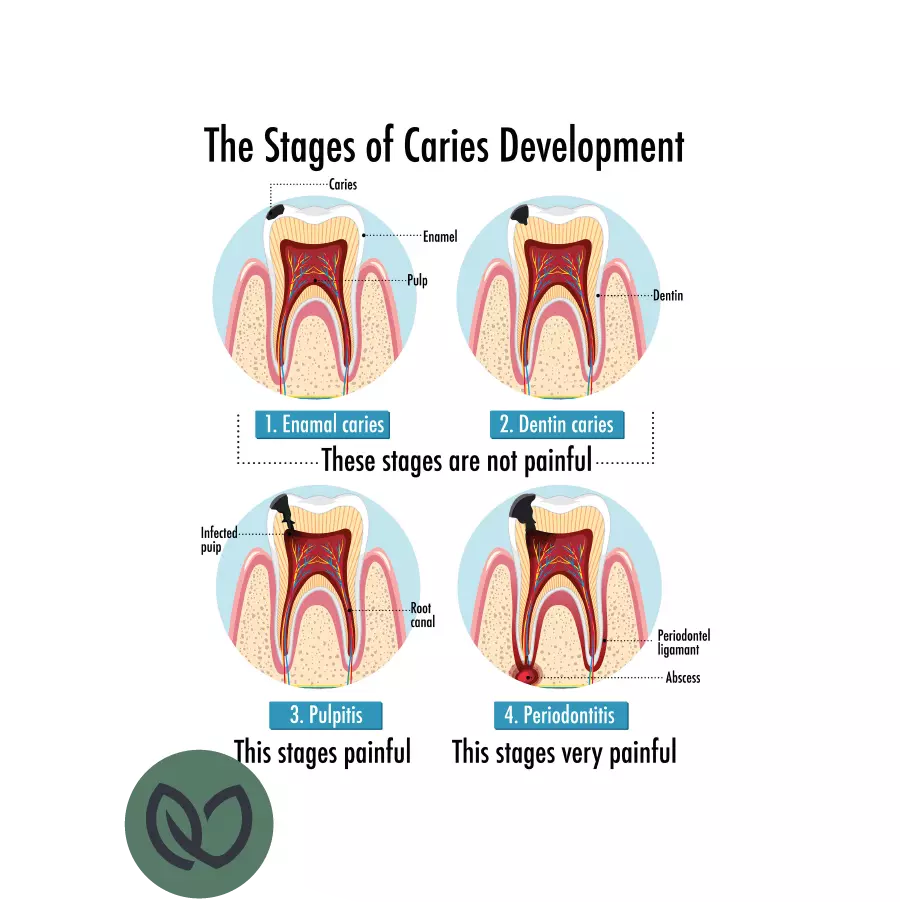
Tooth nerve inflammation refers to the inflammation of the pulp, which is the living tissue inside the tooth. The pulp contains nerves, blood vessels, and connective tissue. Pulpitis can cause pain and discomfort and may lead to more severe dental problems if left untreated.

Different forms of tooth nerve inflammation:

There are various forms of tooth nerve inflammation, including reversible pulpitis, irreversible pulpitis, and apical periodontitis. Reversible pulpitis is a mild form where the pulp is inflamed but can still heal. Irreversible pulpitis is a more severe form where the pulp cannot heal, and a root canal treatment or tooth extraction may be necessary. Apical periodontitis is an inflammation that extends to the tissue around the root tip. It often develops as a complication of untreated tooth nerve inflammation and can cause pain, swelling, and bone loss.

How does tooth nerve inflammation occur?

Tooth nerve inflammation can occur due to deep tooth decay, a tooth fracture, a leaking dental filling, or a dental infection. These situations can allow bacteria to enter the pulp, triggering an inflammatory response. Untreated tooth nerve inflammation can spread to the tissue around the root tip, causing apical periodontitis.

How is tooth nerve inflammation diagnosed?

Dentists can diagnose tooth nerve inflammation through a thorough examination of the teeth and by assessing symptoms such as persistent toothache, sensitivity to hot or cold substances, and the presence of tooth decay, infection, or bone loss. Imaging techniques such as X-rays can also aid in the diagnosis of tooth nerve inflammation.

How quickly does tooth nerve inflammation progress?

The speed of progression of tooth nerve inflammation can vary depending on the individual situation. Some cases may progress rapidly, while others may progress slowly. It is crucial to treat tooth nerve inflammation and apical periodontitis as early as possible to prevent further damage to the tooth and surrounding tissues.

Why do some cases of tooth nerve inflammation cause no pain?

In some cases, tooth nerve inflammation and apical periodontitis may be asymptomatic, meaning there is no pain present. This can occur when the inflamed nerve loses its sensitivity or when the inflammation occurs in a tooth that is already non-vital. Regular dental check-ups are essential for detecting such painless cases of tooth nerve inflammation and apical periodontitis.

How to prevent tooth nerve inflammation?

Preventing tooth nerve inflammation and apical periodontitis involves maintaining good oral hygiene, regularly brushing with fluoride toothpaste, daily flossing, and attending regular dental check-ups. Avoiding tooth decay and addressing dental issues at an early stage also help reduce the risk of tooth nerve inflammation and apical periodontitis.

Risk factors for tooth nerve inflammation:

Some significant risk factors for tooth nerve inflammation include untreated tooth decay, broken teeth, improperly placed or damaged dental restorations, and dental trauma. Additionally, poor oral hygiene, smoking, and a weakened immune system can increase the risk of tooth nerve inflammation.

Treatment of tooth nerve inflammation and apical periodontitis:

The treatment of tooth nerve inflammation typically begins with a root canal treatment to remove the inflamed pulp and save the tooth. In some cases of apical periodontitis, an apex resection is necessary after a root canal treatment to remove the inflamed tissue around the root tip and preserve the tooth. In some cases, a tooth extraction may be required if the tooth cannot be saved. After treatment, maintaining good oral hygiene and attending regular dental check-ups are crucial to preserve the health of the teeth and surrounding tissues.

Registration

You are warmly welcome as a new patient. Our goal is to keep your smile bright and healthy for a lifetime. We achieve this through a combination of high-quality dentistry and a personalized approach.

Emergency

If you have an emergency, please contact us immediately during our regular business hours. You can reach us at +31 20 6139501 or WhatsApp us on +31 653558537 to schedule an appointment. Outside of our business hours, please contact the nearest general emergency service.

Appointment booking

To schedule an appointment, please call us on +31 20 613 9501. Should we not be reachable, you can WhatsApp us or send an e-mail with your contact details and date of birth. We will get back to you as soon as possible to schedule the appointment over the phone.

Opening hours

Monday08.30 – 17.00 hour
Tuesday08.30 – 17.00 hour
Wednesday13.00 – 18.00 hour
Thursday13.00 – 18.00 hour
Friday08.30 – 17.00 hour
SaturdayClosed
SundayClosed

Registration

Please sign up here as a new patient, and we will contact you as soon as possible.

During your intake, you will personally meet the dentist at our practice. During this initial visit, a comprehensive oral examination will be conducted, which often includes taking photographs of your teeth. Following the examination, you can discuss any specific desires or questions you may have directly with the dentist.